


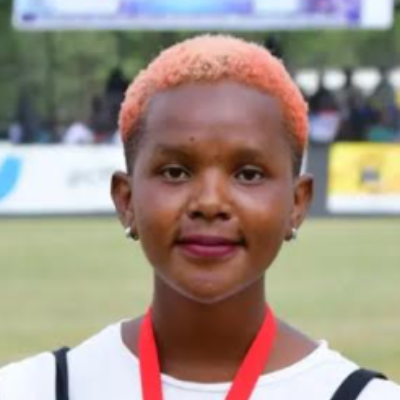
 T. Nashipae
NASHIPAE: CBC is an effective bottom-up approach to sports development in Kenya


.jpg)



Reading Time: 4min | Fri. 30.12.22. | 13:25
The Competency Based Curriculum is good for sports development as it promotes early talent identification
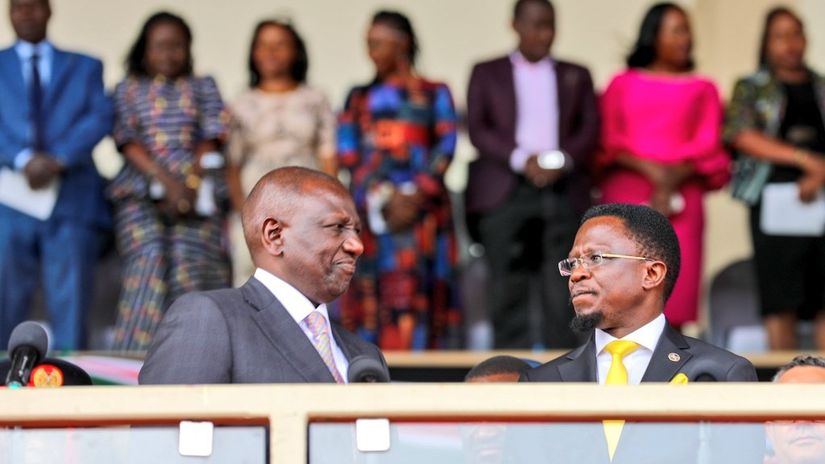
President William Ruto recently announced that his government will champion a bottom-up football development plan, working with national and county governments to grow football in the country.
“I will champion a grassroots football development program that will see the national government work with county governments to invest heavily in youths’ football. Arrangements are at the first stage to launch a bottom-up football tournament to be contested by U19 teams from all the counties. We will work with our governors for each county to build a team right from the ward level. This is the first step in our football vision for 2030 where we will target our Harambee Stars to play at the 2030 World Cup and Kenya to host the 2027 AFCON games. Together let’s build Kenyan football from the bottom up,” the president is quoted as saying.
But, for Kenyan sports, which has had more misses than hits in recent years, is bottom-up the way to go?
This topic has been frustrating due to the generally passive nature of Kenyans and sports, as well as the steadily increasing gap with developing nations. However, I find this to be an enthralling subject with enormous potential to impact the country.
I believe that the bottom-up approach has always been, and continues to be, the most sustainable way to the progressive development of sports in Kenya, based on research and detailed insight into solution-based ideas. The latest curriculum of education, CBC, is the first step in this approach. It does, however, call for the government, educational institutions, parents, and teachers to take collective responsibility.
Let me explain my reasoning.
The curriculum was introduced in Kenya in 2017 to replace the 8-4-4 educational system. Its 2-6-3-3 model consists of two years in pre-primary, six years in primary, junior secondary, and senior secondary education, each lasting three years. Unlike the 8-4-4 system, which consists of the same subjects, students in Junior Secondary will be required to take at least one or two optional subjects that correspond to their career goals, personalities, abilities, and interests. At the Senior Secondary level, students will specialize in one of three areas based on their skills, talents, and interests. Learning will be more hands-on.
This is advantageous because learners with athletic abilities and interests will be identified at a young age. Early childhood education has been shown to have profound, lifelong benefits. Because school is where children spend the majority of their waking hours, CBC will work to recognize each child's sporting proclivity. Schools play an important role in providing students with valuable input to help them develop their talents.
Identifying talent at the school level is critical because children are very receptive to praise when they are young. As a result, organized training can be extremely beneficial to children. If a teacher notices a student's interest in a sport and encourages him or her to pursue it, he or she will produce results quickly. Teachers should also be able to instill a love of sports in their students.
CBC, however, cannot be effective unless some of its flaws are addressed.
NEED FOR QUALIFIED TEACHERS
Teachers are critical to any educational system's success. A teacher must be passionate about children to instill or nurture sporting talent in them. This necessitates the development of a competitive teacher education strategy that will eventually result in all CBC teachers being well-versed in the curriculum. Furthermore, the ministry should provide ongoing refresher training for teachers to ensure they meet CBC standards.
ADVANCED TRAINING FACILITIES SHOULD BE PROVIDED BY SCHOOLS
Educational institutions must play an active and supportive role in everything from appointing full-time coaches to providing the best training facilities available. Schools can also provide good infrastructure and facilities for students to train, such as large playgrounds and basic training equipment, allowing more of them to qualify for competitions.
Schools should also provide opportunities for students to compete in inter-school and inter-class tournaments. They must ensure that children travel to away competitions and are well cared for during that time.
However, providing adequate infrastructure is a difficult task. It requires commitment and funding not only from educational institutions but also from parents and other stakeholders. It is at this point that the relevant ministries step in to provide the necessary assistance.
ROLE OF PARENTS
Parents can help by contributing to their children's initial sports involvement and providing concrete and emotional support throughout their children's sports careers. Parental involvement has been linked to several factors associated with sports participation, including child enjoyment and enthusiasm, autonomy, and self-perception of sport skill. Parents are thus crucial in assisting a child to achieve the status of 'expert' in any field of sport.
Sports should be a part of a student's overall personality development. This process should involve all stakeholders in the education and sports ministries. Only then can Kenya hope to compete at the international level in all sports.